
Compare Local Contractors for Residential Insulation Services
Compare local contractors by reviewing experience, defining project scope, and setting clear expectations to ensure a successful residential insulation service.
Residential insulation services typically encompass the installation, upgrade, or replacement of insulation materials within a home’s walls, attic, basement, or crawl spaces. The primary goal is to improve energy efficiency by reducing heat transfer, which can help maintain consistent indoor temperatures and potentially lower utility consumption. Contractors may work with various types of insulation, such as fiberglass, foam, cellulose, or spray foam, and their scope often includes assessing existing insulation, recommending suitable materials, and ensuring proper installation to meet the specific needs of the property.
Defining the scope of insulation work is essential to ensure the project meets expectations and addresses all necessary areas. Clear communication about the extent of work-such as which parts of the home will be insulated, the types of materials used, and any preparatory steps-helps prevent misunderstandings. Property owners should also specify any particular requirements or concerns, like moisture control or soundproofing, so that service providers can tailor their approach accordingly. Having a written outline of the scope provides a reference point for both parties and helps ensure that the work completed aligns with the property owner’s goals.
When comparing local contractors for residential insulation, property owners should consider factors such as experience with similar projects, the range of services offered, and the clarity of the scope and expectations set in writing. It’s useful to review credentials, if available, and to ask for references or examples of previous work. Verifying that contractors understand the specific needs of the property and can clearly communicate their approach can help in making an informed decision. Ultimately, choosing a service provider who demonstrates professionalism and transparency in defining and managing the scope can lead to a smoother project and satisfactory results.
Compare local contractors by outlining priorities, verifying experience, and setting clear expectations in writing.
- Compare Contractor Credentials - Review the experience and reputation of local contractors to ensure quality service.
- Define Project Scope Clearly - Establish detailed expectations and work parameters before starting the project.
- Verify Experience and Expertise - Confirm that service providers have relevant background in residential insulation.
- Document Agreements in Writing - Keep all project details, scope, and expectations documented for clarity and reference.
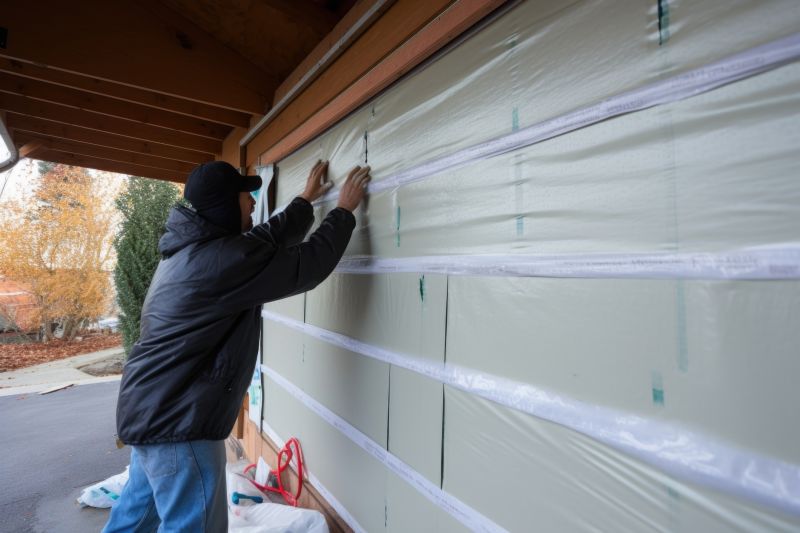
Clearly describe your residential insulation project to compare local contractors, verify experience, and set expectations in writing.
- Verify experience and expertise in residential insulation services to ensure contractors are knowledgeable about different insulation types and installation methods. - Look for service providers who clearly define the scope of work and specify the insulation materials they plan to use.
- Compare multiple local contractors to assess their reputation, reviews, and references for quality workmanship and reliability. - Ensure that written estimates include detailed descriptions of the work to be performed and materials to be used.
- Check that service providers are willing to provide detailed written agreements outlining project expectations and responsibilities. - Confirm that contractors follow proper safety protocols and adhere to industry standards during installation.
- Assess the communication style of potential contractors to determine their responsiveness and clarity in explaining the project scope. - Ensure that the chosen service provider has a clear process for addressing questions or concerns before work begins.
- Ensure that contractors are experienced with residential insulation projects similar in size and complexity to the scope at hand. - Look for local service providers who can demonstrate a track record of successful residential insulation installations.
Compare local contractors' experience and services to clearly define your insulation project scope.
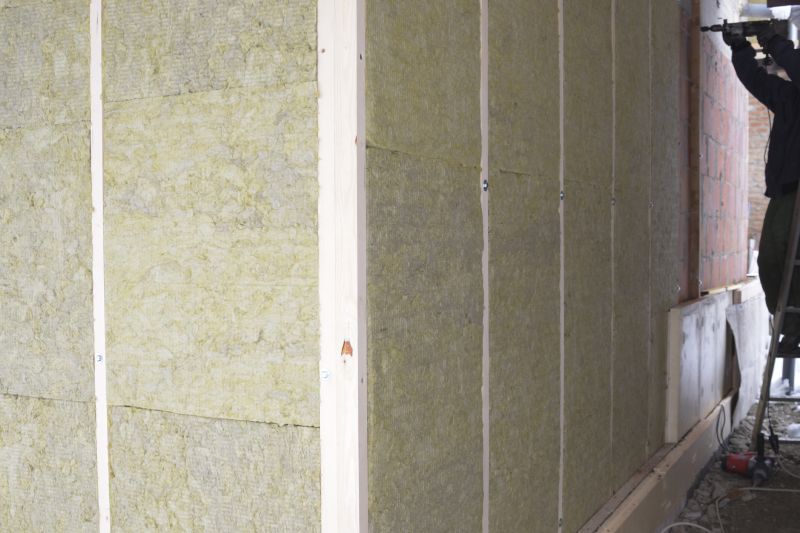

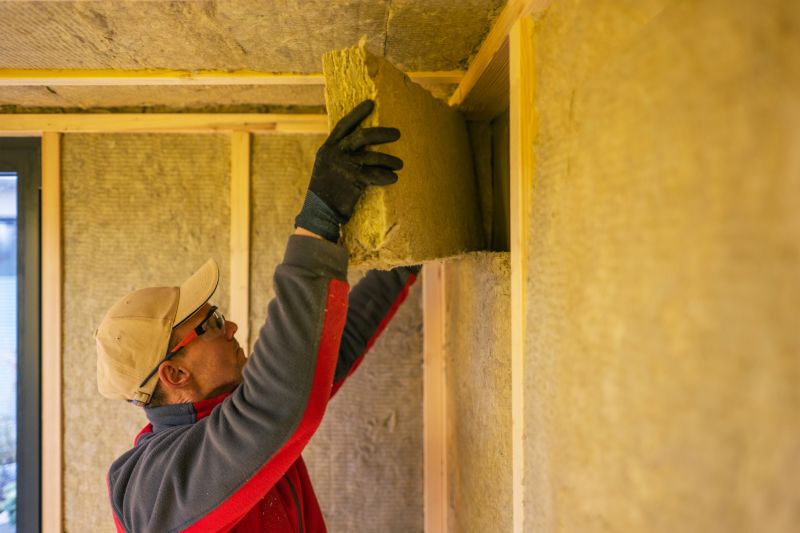
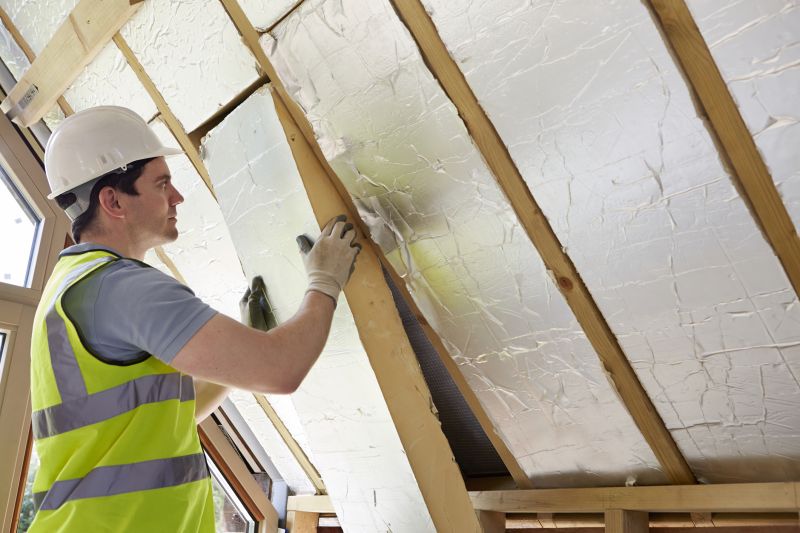
This section helps compare local contractors by establishing clear scope, verifying experience, and setting expectations in writing.
- Scope of Work - Clearly define the areas and types of insulation to be installed or upgraded within the residence.
- Material Specifications - Specify the insulation materials to be used, including R-values and any preferred product types.
- Experience and References - Verify the experience level of local contractors and request references for similar residential insulation projects.
- Project Expectations - Outline the desired outcomes, including insulation coverage, quality standards, and any specific installation requirements.
- Written Agreement - Ensure all project details, scope, and responsibilities are documented in a formal written scope to prevent misunderstandings.
When comparing contractors for residential insulation services, it is important to evaluate their experience with similar projects. Homeowners should inquire about the types of insulation work the service providers have completed in the past, ensuring they have handled homes comparable in size, construction style, and insulation needs. Contractors with a history of working on projects similar to the current one are more likely to understand the unique challenges and requirements involved, which can contribute to a smoother process and a more effective insulation solution.
A clear, written scope of work is essential for setting proper expectations. Homeowners should seek detailed descriptions of the services included, materials to be used, and specific tasks the contractor will perform. A well-defined scope helps prevent misunderstandings and ensures that both parties agree on what is to be accomplished. When reviewing proposals or estimates, it is beneficial to compare how thoroughly each contractor outlines their approach, as this reflects their professionalism and attention to detail.
Verification basics involve confirming that the service providers have the necessary background to perform the insulation work competently. Homeowners can ask for references or examples of completed projects, and may also consider checking reviews or testimonials from previous clients. While not a guarantee of quality, these steps provide insight into the contractor’s track record and reliability. Verifying experience and speaking with past clients can help identify service providers who consistently deliver satisfactory results.
Evaluating options without focusing on prices involves assessing the quality of the proposals and the professionalism of each contractor. Homeowners should compare the clarity of scope, the thoroughness of the project plan, and the communication style of each service provider. It is also helpful to consider how well each contractor understands the homeowner’s specific needs and whether they offer transparent explanations about their process. By focusing on these qualitative aspects, homeowners can make informed decisions based on the suitability and reliability of the service providers, rather than solely on cost.
Ask contractors to provide written scope details to ensure clear understanding and consistent project expectations.
- Scope of Work - What specific insulation services are included and what areas will the contractors cover?
- Experience and Expertise - How long have the local contractors been providing residential insulation services?
- Material Options - What types of insulation materials do the service providers recommend for your home?
- Work Quality and Standards - How do the local contractors ensure the quality and effectiveness of their insulation work?
- Written Agreements - Are the scope, materials, and expectations clearly documented in a detailed project agreement?
How can I compare different contractors for residential insulation? It’s helpful to review their experience, verify their reputation through references or reviews, and ensure they clearly define the scope of work in writing to make an informed comparison.
What should I consider when defining the scope of insulation work? Clearly outline the areas to be insulated, the type of insulation material preferred, and any specific installation requirements to set clear expectations with contractors.
How do I verify a contractor’s experience with residential insulation? Ask for details about their previous projects, request references, and confirm how long they have been performing insulation work in residential settings.
Why is it important to have the scope of work in writing? Having a written scope helps prevent misunderstandings, ensures both parties agree on the work to be completed, and provides a reference for project expectations.
What questions should I ask contractors during the selection process? Inquire about their experience, the types of insulation they install, their process for handling unexpected issues, and how they ensure quality workmanship.
How can I ensure the contractor is reliable and professional? Review their credentials, check references or reviews, and confirm that they provide detailed written estimates and scope descriptions before proceeding with the work.
This page has provided an overview of how to find and compare residential insulation contractors in the area. Visitors have learned the importance of clearly defining the scope of work, verifying the experience of potential service providers, and ensuring all details are documented in writing. These steps can help in making informed decisions and selecting the right contractor for the project.
To explore options and connect with trusted service providers, use the quote form to compare local contractors. This approach can help identify professionals capable of handling the job, allowing for a transparent and straightforward selection process based on your specific needs.