
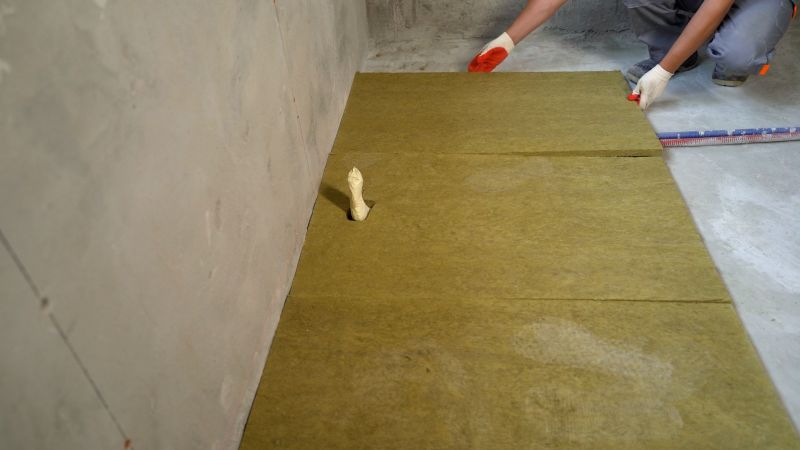
Rigid Insulation Installation in Boulder, CO
Rigid insulation installation is a process that involves placing high-performance insulation boards within walls, ceilings, or foundations to improve a building’s thermal efficiency. This type of insulation is commonly used in residential projects such as basement walls, attic spaces, exterior wall upgrades, and new construction to help reduce energy costs and maintain consistent indoor temperatures. Property owners often seek this service to enhance comfort, increase energy savings, or meet specific building codes, making it important to understand the different types of rigid insulation materials available and their suitability for particular projects.
Before requesting rigid insulation installation, property owners should consider factors such as the location of the insulation, the compatibility with existing building materials, and the desired R-value or insulation performance level. It’s also useful to know whether the project involves interior or exterior application, as this can influence the choice of insulation type and installation methods. Clear communication about the scope of the project, existing building conditions, and any specific goals can help ensure the installation meets expectations and provides long-term benefits.
Many property owners in Boulder, CO look into Rigid Insulation Installation for repairs, replacements, upgrades, and appearance-related improvements.
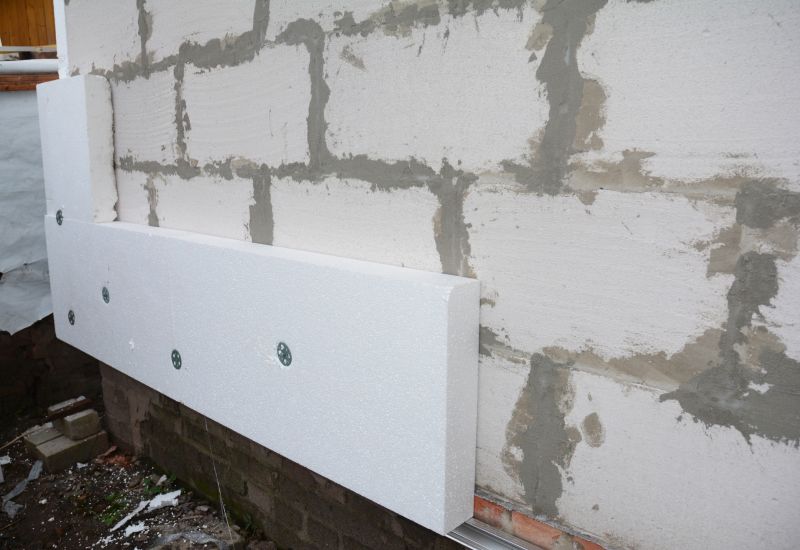
Benefits Of Rigid Insulation
Rigid insulation helps improve energy efficiency and indoor comfort in residential and commercial buildings.
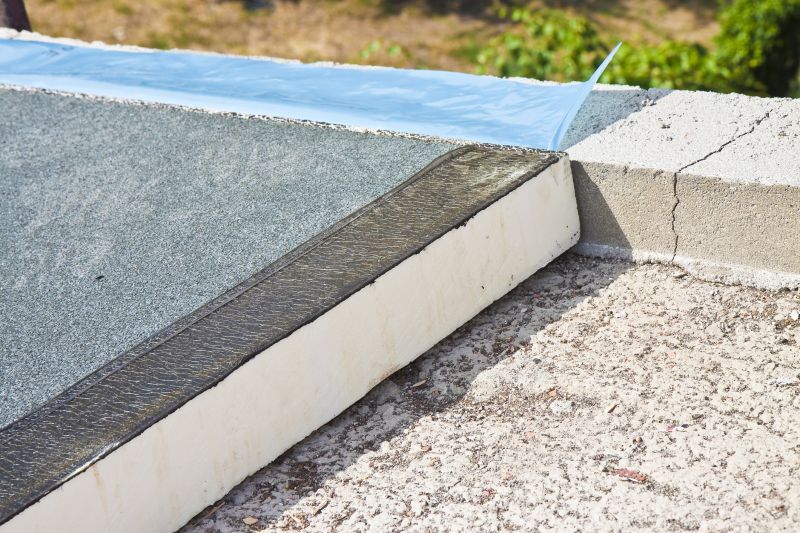
Common Installation Applications
It is often used in basement walls, roofing systems, and exterior wall sheathing in boulder-area properties.
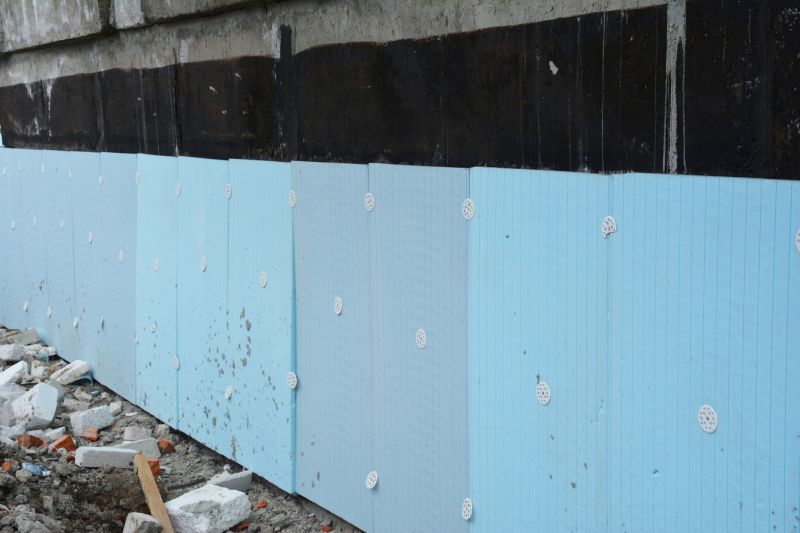
Types Of Rigid Insulation
Different options like polyisocyanurate, polystyrene, and polyurethane are available to suit various project needs.
Rigid Insulation Installation in Boulder, CO
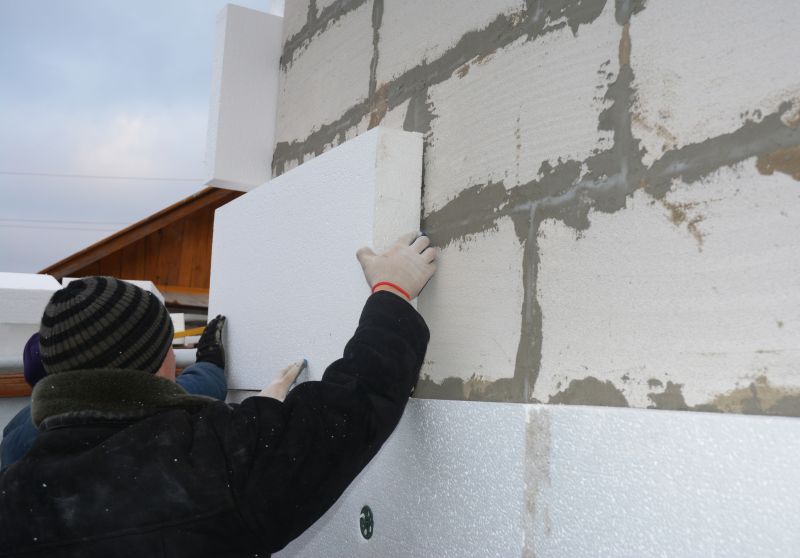
Rigid insulation installation is a process that involves placing high-performance insulation boards within walls, ceilings, or foundations to improve a building’s thermal efficiency. This type of insulation is commonly used in residential projects such as basement walls, attic spaces, exterior wall upgrades, and new construction to help reduce energy costs and maintain consistent indoor temperatures. Property owners often seek this service to enhance comfort, increase energy savings, or meet specific building codes, making it important to understand the different types of rigid insulation materials available and their suitability for particular projects.
Before requesting rigid insulation installation, property owners should consider factors such as the location of the insulation, the compatibility with existing building materials, and the desired R-value or insulation performance level. It’s also useful to know whether the project involves interior or exterior application, as this can influence the choice of insulation type and installation methods. Clear communication about the scope of the project, existing building conditions, and any specific goals can help ensure the installation meets expectations and provides long-term benefits.
Many property owners in Boulder, CO look into Rigid Insulation Installation for repairs, replacements, upgrades, and appearance-related improvements.
Common Rigid Insulation Installation Jobs
Basement insulation - helps improve energy efficiency and comfort in finished or unfinished basements.
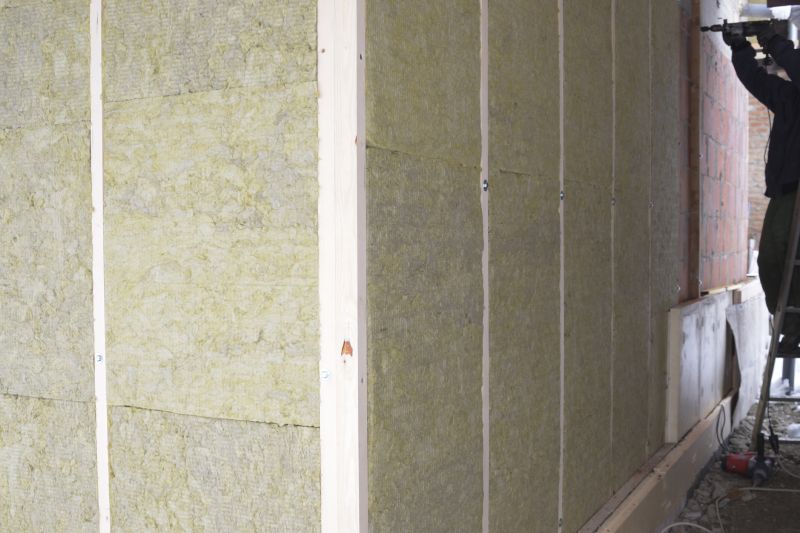
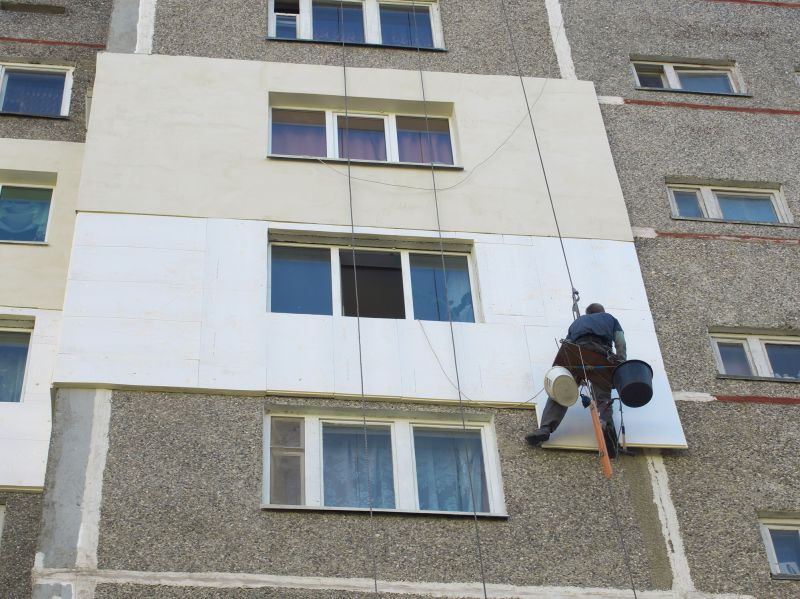
Wall insulation - enhances thermal performance in interior and exterior wall cavities.
Roof and attic insulation - reduces heat loss and maintains consistent indoor temperatures.
Commercial building insulation - supports energy savings and structural integrity for business properties.
Retrofit insulation projects - upgrade existing structures to meet current insulation standards.
New construction insulation - ensures optimal thermal barriers in newly built homes and buildings.
Rigid Insulation Installation Questions
What is rigid insulation used for? Rigid insulation provides thermal resistance for walls, roofs, and foundations, helping to improve energy efficiency and indoor comfort.
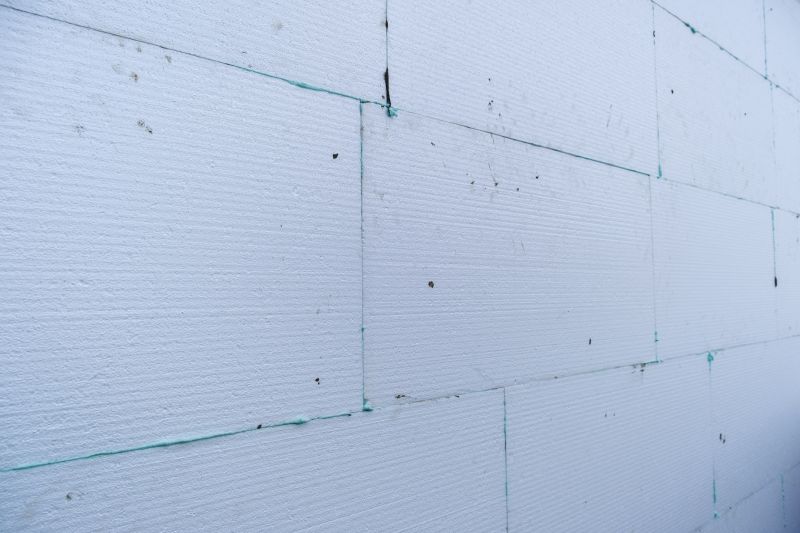
How is rigid insulation installed in a property? Installation involves attaching panels to surfaces such as walls or ceilings, often with adhesives or fasteners, to create a continuous insulation layer.
What types of projects typically require rigid insulation? Rigid insulation is commonly used in basement finishing, attic insulation, exterior wall upgrades, and new construction projects.
What should property owners consider before choosing rigid insulation? It’s important to evaluate the insulation’s R-value, moisture resistance, and compatibility with existing building materials for effective performance.
Request Rigid Insulation Installation in Boulder, CO
Use the quote form on this page to share the basics of your project and request more information for the type of work you need.